At Design Forty Ltd., we believe that the spaces we inhabit should not only reflect beauty and functionality but also embody a deep commitment to environmental conservation.
Primarily, green design in Mombasa involves the creation of products, buildings, systems and environments with the goal of minimizing their negative impacts on both the environment and human health throughout their entire life cycle. It is also referred to as sustainable design or eco-friendly design.
The basic principles of green design are; reduce, reuse and recycle. Some of the ways these principles are applied in green design are;
Design 40 endeavors to offer eco-friendly solutions while taking care of the environment by way of choice of materials as depicted below:
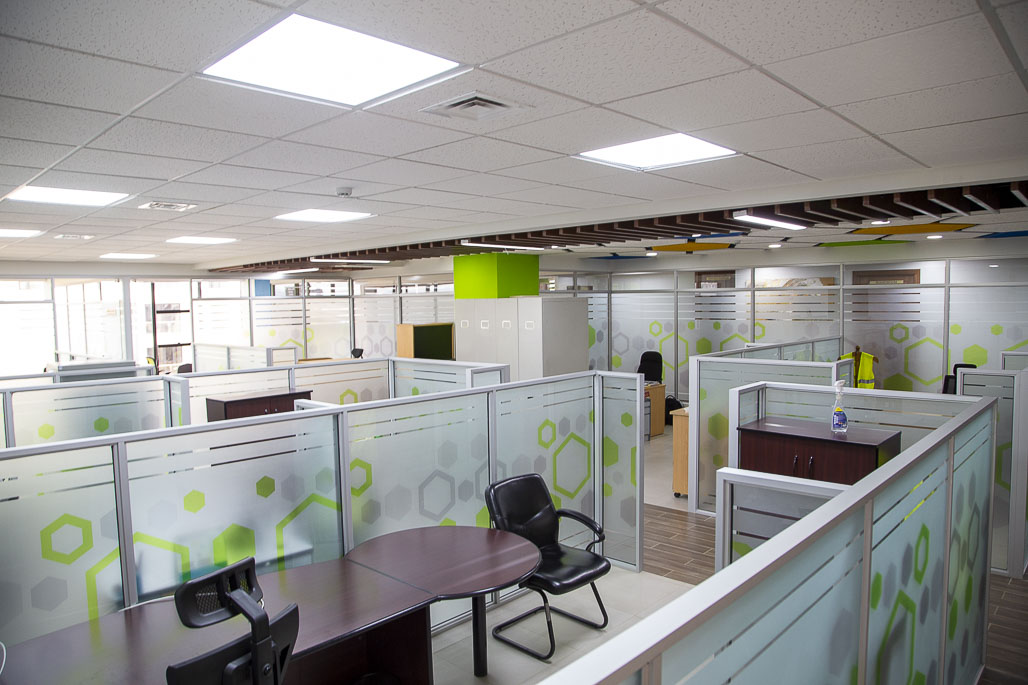
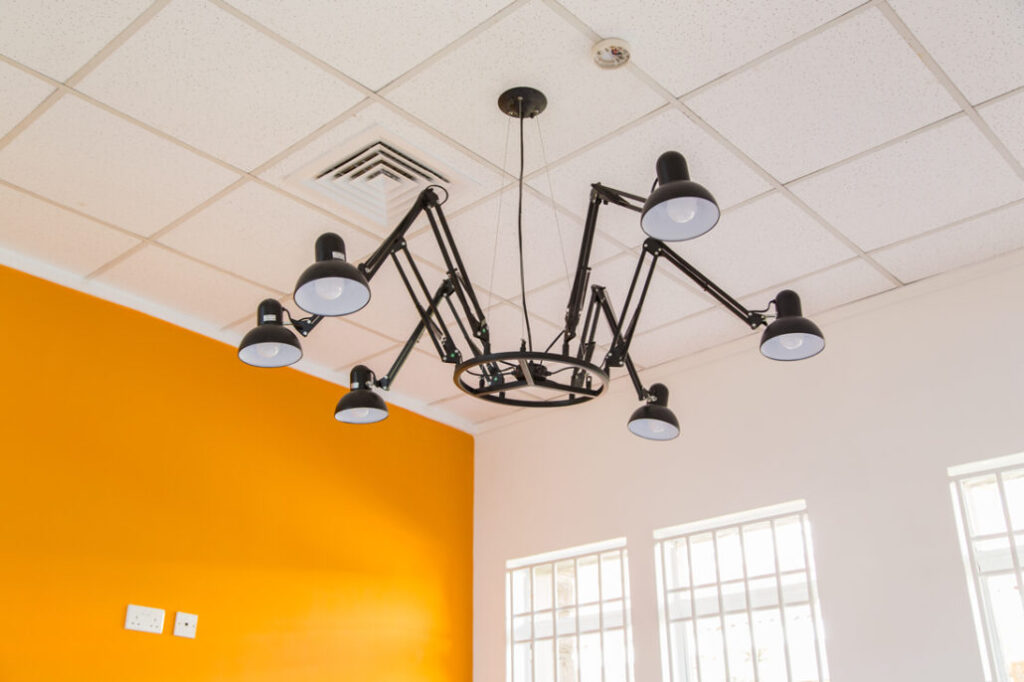
When building and designing offices, we use high profile recessed or ceiling mounted lights from Europe that save up to 45% power consumption. Some of the advantages of these lights are; brighter light output, no flicker, instant start up, reduced ultra-violet rays and they are durable.
In addition to using these energy efficient lights, Design Forty applies the principles of green design through lighting by using large glass windows that allow natural light to flow in offices.
Design Forty uses aluminum sections to stand partitions. Aluminum is a good material for green design since it is a renewable material. It also helps in energy conservation since it is reflective. This helps reflect natural light and shine it on surfaces in the office.
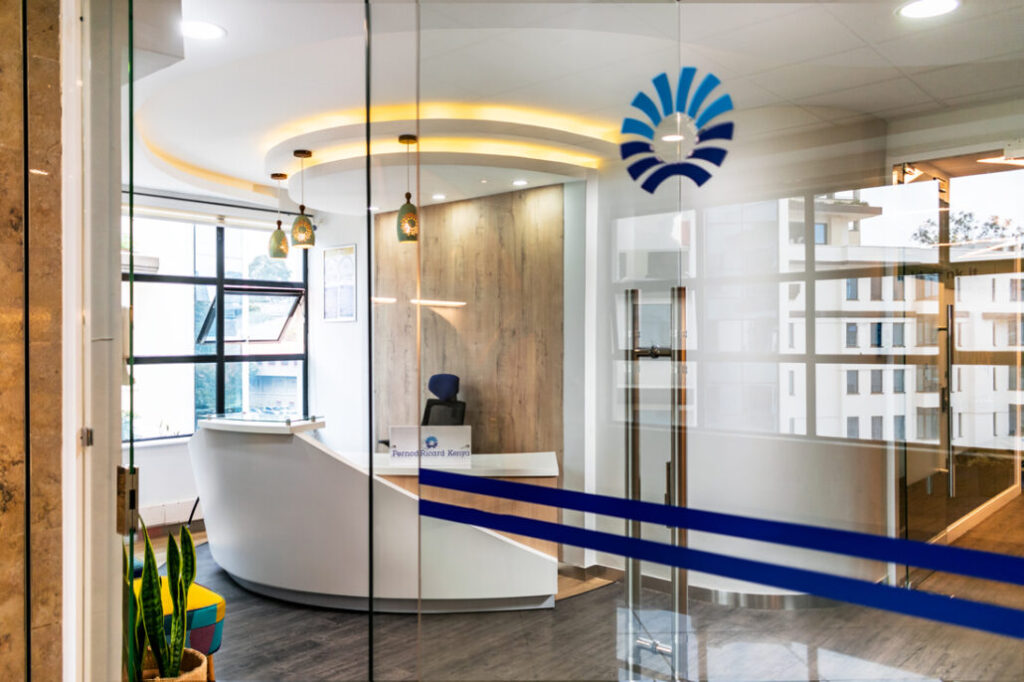
When building office ceilings, we use gypsum bulkheads. Gypsum bulkheads have numerous advantages when it comes to green design. The advantages include:
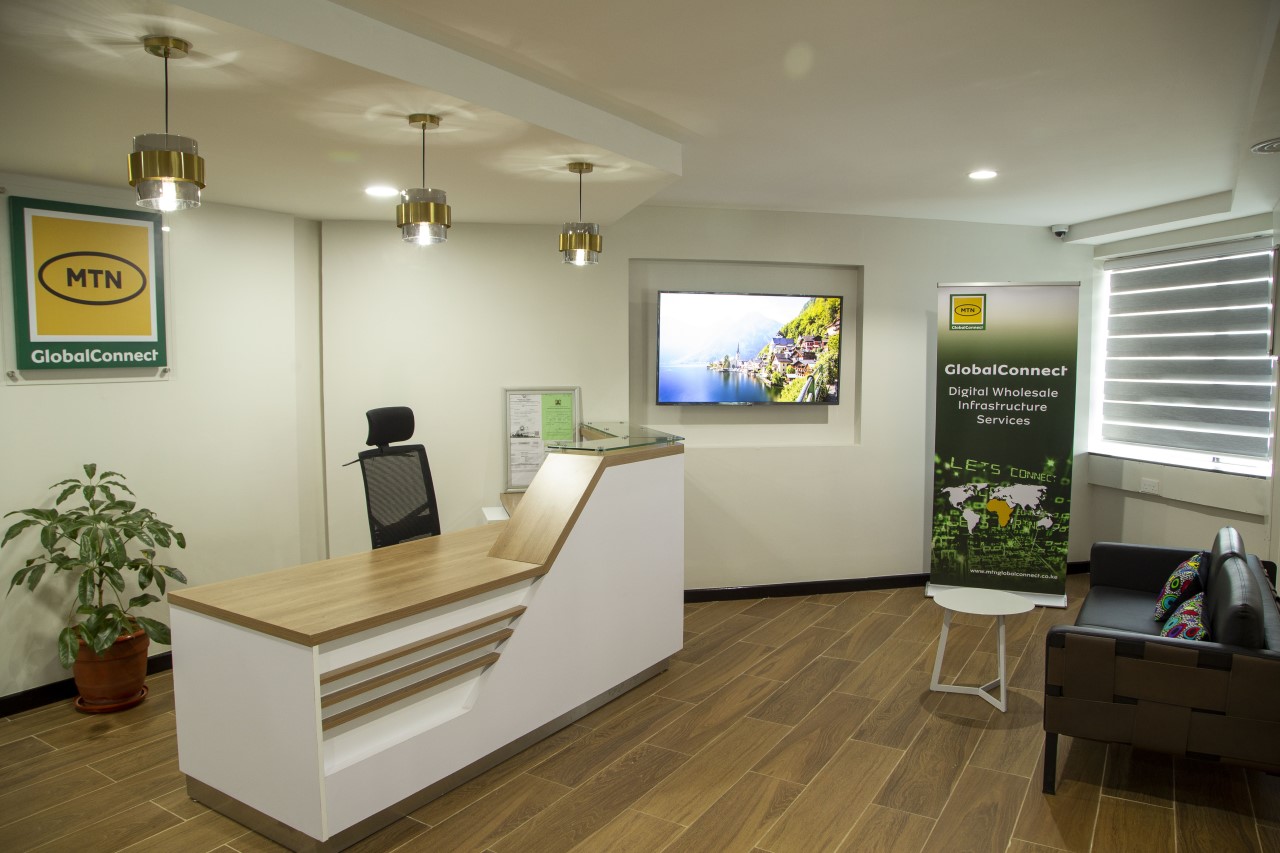
Bespoke furniture that is handcrafted to come up with truly unique furniture and interiors to fit perfectly into an office. At Design Forty Ltd, we use wood to design reception desks and office desks. In addition to it being very aesthetically pleasing, wood is a material that is durable. Compared to other materials, the production of wood has a lower environmental impact in terms of energy consumption and emissions. In addition to that, it is a renewable material. Using wood in interior design furniture generally contributes to reducing the overall environmental footprint of a space, aligning with green design strategies for minimizing environmental impact.
In summary, green design in Mombasa is important for creating spaces that are environmentally sustainable, promote occupant health, conserve resources, offer long-term cost savings and uphold principles. Embracing green design principles is essential for creating a more resilient, equitable and harmonious built environment for the present and future generations.
As the global warming trend continues, it is important to uphold the principles of green design to ensure we are all contributing to combating climate change. Here at Design Forty Ltd., we are playing our part. Contact us to learn more.